


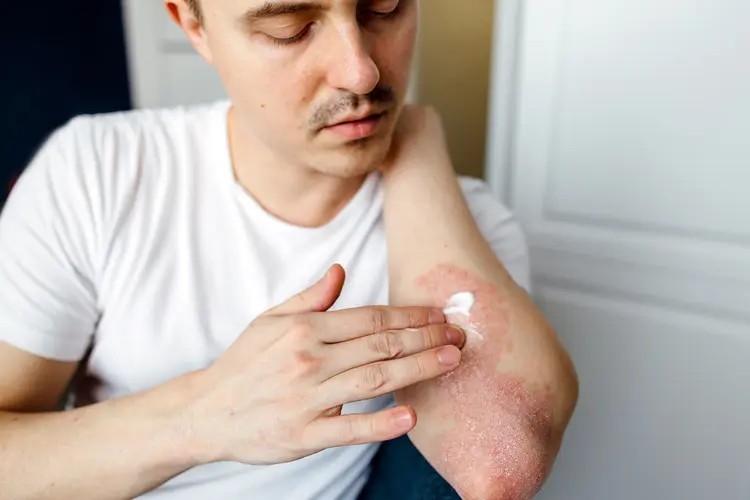
Treatment is a central concept in medicine, encompassing the strategies, therapies, and interventions used to prevent, manage, and cure diseases. Effective treatment requires a thorough understanding of the underlying condition, patient-specific factors, and evidence-based methodologies. Medical treatments are diverse, ranging from pharmaceutical interventions and surgical procedures to lifestyle modifications and emerging biologic therapies. Understanding the principles of treatment, including mechanisms, effectiveness, and potential risks, is essential for both healthcare providers and patients seeking optimal outcomes.
The Principles of Medical Treatment
Medical treatment is designed with the goal of improving patient health, managing symptoms, and, in many cases, eliminating the cause of a condition. Treatments are broadly categorized into curative, preventive, and palliative interventions.
Curative Treatment
Curative treatment aims to eliminate the root cause of a disease, restoring health and function. Examples include:
- Antibiotics for bacterial infections: Targeting pathogens to eradicate infections such as pneumonia or urinary tract infections.
- Surgical removal of tumors: Eliminating cancerous growths when feasible, often combined with adjunct therapies.
- Antiviral therapy for certain viral infections: Suppressing viral replication to achieve remission or cure.
Preventive Treatment
Preventive treatment focuses on reducing the risk of disease onset or progression. These interventions include:
- Vaccinations: Stimulating the immune system to prevent infections such as influenza, hepatitis, or COVID-19.
- Lifestyle modifications: Encouraging balanced nutrition, exercise, and smoking cessation to prevent cardiovascular and metabolic disorders.
- Prophylactic medications: Administered to high-risk individuals, such as anticoagulants for patients prone to thrombosis.
Palliative Treatment
Palliative treatment prioritizes symptom management and quality of life, especially in chronic or terminal conditions. Common approaches include:
- Pain management: Using analgesics, nerve blocks, or other interventions to control discomfort. For individuals experiencing chronic or acute pain, consulting with a pain management doctor near me can help develop a comprehensive treatment plan tailored to specific pain conditions and individual needs.
- Symptom-focused therapies: Treating nausea, fatigue, or breathing difficulties in patients with advanced illnesses.
- Supportive care: Integrating psychological, social, and spiritual support for patients and families.
Types of Treatment Modalities
Medical treatment is delivered through multiple modalities, each tailored to the nature of the disease, severity, and patient characteristics.
Pharmacological Treatment
Pharmacological or drug therapy is one of the most common forms of treatment. Medications can:
- Modify disease processes: Such as disease-modifying antirheumatic drugs (DMARDs) for rheumatoid arthritis.
- Alleviate symptoms: Analgesics for pain, antihypertensives for high blood pressure, or bronchodilators for asthma.
- Prevent complications: Anticoagulants reduce the risk of stroke or myocardial infarction in high-risk patients.
Medication selection depends on pharmacodynamics, pharmacokinetics, patient comorbidities, and potential side effects. Proper dosing, adherence, and monitoring are critical for therapeutic success.
Surgical Treatment
Surgery is an invasive treatment used to correct anatomical or structural abnormalities. Types of surgical interventions include:
- Elective surgery: Planned procedures such as joint replacement or cosmetic reconstruction.
- Emergency surgery: Immediate interventions like appendectomy or trauma repair.
- Minimally invasive techniques: Laparoscopy, endoscopy, and robotic-assisted surgery reduce recovery time and complications.
Surgical success depends on preoperative assessment, surgical precision, postoperative care, and patient adherence to rehabilitation protocols.
Physical and Rehabilitation Therapy
Physical therapy and rehabilitation are integral components of treatment, especially for musculoskeletal, neurological, and post-surgical conditions. Therapies may involve:
- Exercise programs: Designed to improve mobility, strength, and endurance.
- Manual therapy: Techniques to restore joint function and reduce pain.
- Assistive devices: Orthotics, prosthetics, or mobility aids to enhance functionality and independence.
Early initiation of rehabilitation can significantly improve outcomes, prevent secondary complications, and enhance long-term quality of life.
Psychological and Behavioral Treatment
Mental health disorders require specialized interventions to restore psychological well-being and daily functioning. Common modalities include:
- Cognitive-behavioral therapy (CBT): Effective for anxiety, depression, and post-traumatic stress disorder.
- Pharmacotherapy: Antidepressants, antipsychotics, and anxiolytics target neurochemical imbalances.
- Mindfulness and stress-reduction techniques: Meditation, yoga, and biofeedback support mental resilience and coping strategies.
Integrated care combining psychotherapy, medication, and social support is often the most effective approach for mental health conditions.
Alternative and Complementary Therapies
Alternative and complementary treatments can complement conventional medical care when applied judiciously and evidence-based. These therapies include:
- Acupuncture: Utilized for pain management, nausea, and musculoskeletal disorders.
- Herbal medicine: Certain botanicals have scientifically supported effects, such as turmeric for inflammation.
- Mind-body interventions: Meditation, Tai Chi, and guided imagery can enhance well-being and reduce stress.
It is important to ensure that alternative therapies do not interfere with primary treatments, especially in conditions requiring precise medical interventions.
Individualized Approach to Treatment
Effective treatment requires personalization, taking into account patient-specific variables such as age, genetics, comorbidities, lifestyle, and personal preferences. Precision medicine, an emerging field, leverages genomic, proteomic, and metabolomic data to guide therapy selection, especially in oncology and rare diseases.
Key considerations for individualized treatment include:
- Disease severity and progression: Determining whether aggressive intervention or conservative management is appropriate.
- Patient tolerance and risk profile: Considering potential adverse effects, drug interactions, and comorbid conditions.
- Patient goals and quality of life: Aligning treatment with patient priorities, such as functional independence or aesthetic outcomes.
Monitoring and Evaluation of Treatment Effectiveness
Treatment is an ongoing process that requires careful monitoring and evaluation. Key strategies include:
- Regular follow-up visits: Assessing symptom improvement, lab values, and imaging results.
- Outcome measures: Utilizing standardized scales to quantify pain, functional capacity, and mental health status.
- Adjustments and escalation: Modifying doses, switching medications, or adding therapies based on response and tolerability.
Evidence-based practice relies on continuous evaluation, ensuring that interventions are optimized for maximal benefit and minimal harm.
Emerging Trends in Treatment
Medical treatment is rapidly evolving with advances in technology, biotechnology, and data-driven healthcare. Current trends include:
- Gene Therapy: Targeting genetic defects to treat conditions such as hemophilia, muscular dystrophy, and certain cancers.
- Immunotherapy: Harnessing the immune system to fight cancer, autoimmune diseases, and chronic infections.
- Telemedicine: Providing remote monitoring, consultations, and treatment adjustments for chronic diseases.
- Regenerative Medicine: Utilizing stem cells, tissue engineering, and biologics to restore organ function and repair damaged tissues.
These innovations expand treatment options, improve outcomes, and allow for highly personalized care strategies.
Challenges in Treatment
Despite advances, challenges persist in medical treatment:
- Resistance and non-responsiveness: Pathogens may develop resistance to drugs, or patients may not respond to standard therapies.
- Side effects and toxicity: Balancing efficacy with tolerability remains a central concern, especially in chemotherapy and immunotherapy.
- Accessibility and cost: Advanced treatments may be unavailable or unaffordable in certain regions, impacting patient outcomes.
- Patient adherence: Inconsistent adherence to treatment regimens reduces effectiveness and increases complications.
Addressing these challenges requires a combination of clinical expertise, patient education, and healthcare system support.
The Role of Lifestyle in Enhancing Treatment Outcomes
Lifestyle modifications often enhance the effectiveness of medical treatments. These include:
- Nutrition: Adequate intake of vitamins, minerals, and macronutrients supports healing and recovery.
- Exercise: Improves cardiovascular health, muscle strength, and overall resilience.
- Stress management: Reduces inflammatory responses and supports immune function.
- Sleep hygiene: Ensures optimal recovery and cognitive function, essential for both mental and physical health.
Incorporating lifestyle strategies alongside conventional treatments leads to comprehensive, holistic care.
Conclusion
Treatment is a multifaceted process that involves selecting, implementing, and monitoring interventions designed to improve health outcomes. Modern medical treatments encompass pharmacological, surgical, psychological, rehabilitative, and complementary approaches, each tailored to patient-specific factors. Effective treatment requires evidence-based decision-making, continuous monitoring, and integration of lifestyle strategies. Innovations in precision medicine, immunotherapy, and regenerative medicine are expanding the boundaries of what can be achieved in healthcare. By understanding the principles, modalities, and challenges of treatment, patients and healthcare providers can work collaboratively to achieve the best possible outcomes and improve long-term quality of life.
Frequently Asked Questions
1. How do doctors decide the best treatment for a patient?
Doctors consider the type and severity of the disease, patient medical history, potential side effects, and individual goals. Evidence-based guidelines and diagnostic tests help inform treatment selection.
2. Can lifestyle changes replace medical treatment?
Lifestyle changes can complement treatment but rarely replace it entirely. Proper nutrition, exercise, stress management, and sleep enhance recovery and treatment effectiveness but usually work best alongside medical interventions.
**3. What is the difference between curative and palliative treatment?
**
Curative treatment aims to eliminate the disease and restore health, while palliative treatment focuses on managing symptoms, reducing suffering, and improving quality of life without necessarily curing the condition.
4. How do doctors monitor treatment effectiveness?
Doctors use follow-up visits, lab tests, imaging, and standardized outcome measures to assess progress. Adjustments to therapy may be made based on these evaluations to optimize results.
5. Are alternative therapies safe to use with conventional treatment?
Some alternative therapies can safely complement conventional treatments, but certain herbal supplements or interventions may interfere with medications. Always consult a healthcare professional before combining therapies.
6. What is personalized or precision medicine in treatment?
Precision medicine tailors treatment based on individual genetic, environmental, and lifestyle factors. This approach is especially effective in oncology, rare genetic disorders, and certain chronic diseases.
7. Why do some treatments fail?
Treatment failure can occur due to drug resistance, incorrect diagnosis, non-adherence, disease progression, or individual biological variability. Continuous monitoring and adjustment are essential to address these challenges.