


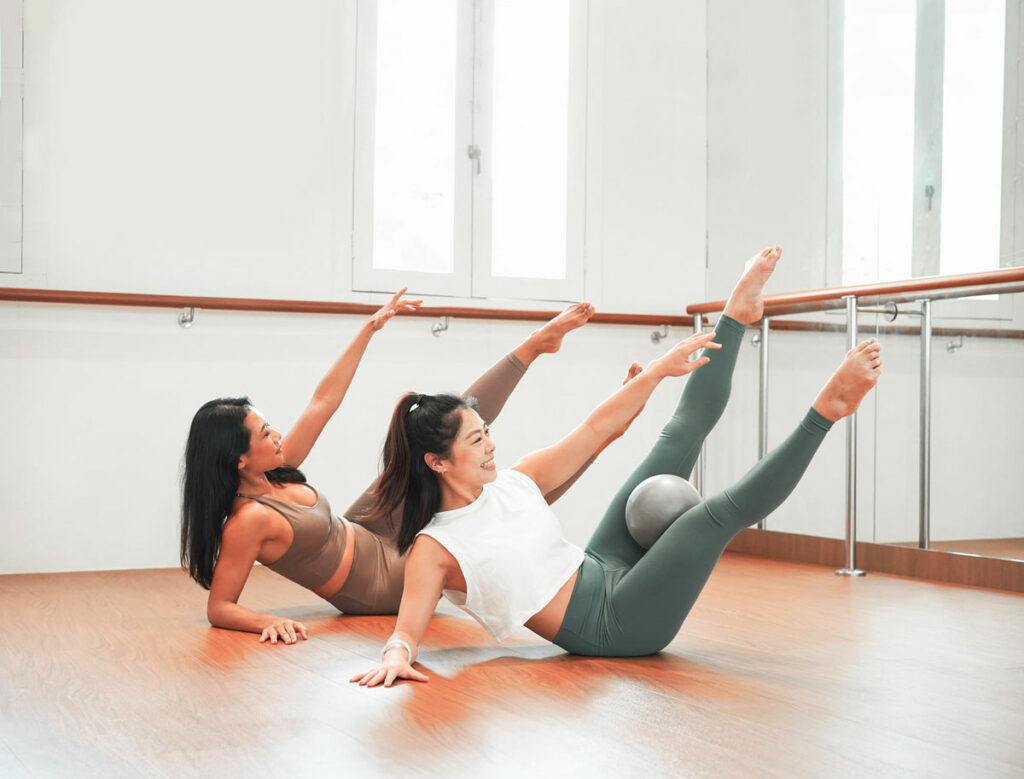
In Singapore, stress is rarely loud or obvious. It builds quietly through long workdays, constant screen exposure, rapid decision-making, and an always-connected lifestyle. Many people assume their tension comes from tight muscles or poor posture, but increasingly, the root issue lies deeper. Nervous system fatigue has become one of the most overlooked health challenges in modern urban living. This is also why more people are turning to structured yoga classes Singapore not as a fitness trend, but as a practical way to restore balance from the inside out.
Unlike surface-level stress relief, yoga addresses how the body responds to pressure at a neurological level. This article explores why nervous system fatigue is rising in Singapore, how it affects daily health and performance, and why well-designed yoga classes are uniquely effective in restoring regulation, resilience, and long-term wellbeing.
Understanding Nervous System Fatigue in a High-Performance City
Nervous system fatigue is not the same as feeling tired after a long day. It occurs when the body remains in a heightened state of alert for extended periods, without adequate recovery. In Singapore, this is common due to work intensity, commuting patterns, digital habits, and social expectations.
The nervous system has two primary modes:
-
The sympathetic system, responsible for alertness, focus, and action
-
The parasympathetic system, responsible for rest, digestion, repair, and recovery
When the sympathetic system dominates for too long, the body struggles to switch off. Over time, this leads to symptoms many people normalise.
Common signs include:
-
Constant mental busyness, even during rest
-
Shallow breathing and chest tightness
-
Difficulty sleeping or waking unrefreshed
-
Digestive discomfort despite a healthy diet
-
Low resilience to stress or sudden emotional reactions
These symptoms are not isolated issues. They are connected responses driven by a nervous system that has lost its natural rhythm.
Why Nervous System Fatigue Is Increasing in Singapore
Singapore’s efficiency-driven culture rewards productivity, speed, and mental sharpness. While these qualities support professional success, they also place continuous demand on the nervous system.
Several lifestyle factors contribute to this imbalance.
Constant Cognitive Load
Work rarely ends when office hours do. Emails, messages, and notifications keep the brain engaged late into the evening. This sustained mental effort prevents the nervous system from transitioning into recovery mode.
Limited Physical Variety
Many adults spend long hours seated, with limited movement diversity. This reduces sensory feedback to the nervous system, leading to stiffness, poor circulation, and heightened stress responses.
Urban Sensory Stimulation
Noise, crowds, artificial lighting, and digital screens continuously stimulate the senses. Over time, the nervous system adapts by staying alert, even when rest is needed.
Irregular Rest Patterns
Late nights, inconsistent meal times, and fragmented sleep disrupt natural biological rhythms. The nervous system relies on routine to regulate itself effectively.
When these factors combine, the body adapts by staying switched on. This may feel manageable in the short term, but long-term consequences often follow.
Why Exercise Alone Does Not Solve Nervous System Fatigue
Many people attempt to manage stress through intense workouts. While exercise is beneficial, not all movement supports nervous system recovery.
High-intensity training often stimulates the sympathetic system further. For individuals already operating in a stressed state, this can deepen fatigue rather than resolve it.
Yoga differs because it integrates:
-
Controlled breathing
-
Deliberate pacing
-
Sensory awareness
-
Mind-body coordination
This combination allows the nervous system to experience safety and predictability, which are essential for recovery.
How Yoga Classes Support Nervous System Regulation
Well-structured yoga classes create conditions that allow the nervous system to reset. This does not happen through relaxation alone, but through intentional sequencing and guided awareness.
Breath as a Nervous System Regulator
Breathing patterns directly influence nervous system activity. Slow, rhythmic breathing stimulates the parasympathetic response, lowering heart rate and calming mental activity.
Yoga classes teach:
-
Lengthened exhalations to reduce stress signals
-
Nasal breathing to improve oxygen efficiency
-
Breath-led movement to enhance internal awareness
Over time, these patterns become accessible beyond the mat.
Predictable Movement Sequences
The nervous system thrives on predictability. Repeated movement patterns signal safety, reducing unnecessary alertness.
Yoga sequences often:
-
Progress gradually from simple to complex
-
Emphasise smooth transitions
-
Avoid sudden or aggressive changes
This allows the body to relax without losing engagement.
Sensory Grounding
By focusing on sensation, balance, and alignment, yoga shifts attention away from mental noise and toward present-moment experience.
This grounding effect:
-
Reduces rumination
-
Improves emotional regulation
-
Enhances body awareness
For many, this is the first time the nervous system experiences true rest while remaining conscious.
The Difference Between Passive Relaxation and Active Recovery
Resting on a sofa or scrolling through a phone may feel relaxing, but it often keeps the nervous system mildly stimulated. Yoga offers active recovery, where the body moves gently while the mind remains focused.
This type of recovery:
-
Improves circulation without stress
-
Enhances neuromuscular coordination
-
Encourages deep physiological rest
Over time, the nervous system learns how to recover efficiently, even during busy periods.
Why Consistency Matters More Than Intensity
Nervous system regulation improves through repeated exposure to calm, controlled environments. One yoga class may offer temporary relief, but consistency creates lasting change.
Regular practice helps:
-
Lower baseline stress levels
-
Improve sleep quality
-
Increase emotional resilience
-
Enhance focus and decision-making
This is why structured classes, rather than sporadic sessions, are particularly effective.
Integrating Yoga into a Demanding Lifestyle
Many people worry they lack time for yoga. In reality, even a few consistent sessions per week can make a measurable difference.
Yoga fits well into demanding schedules because:
-
Classes offer a clear start and end point
-
Benefits extend into daily activities
-
Improved regulation increases efficiency elsewhere
As nervous system balance improves, people often find they need less recovery time and feel more present throughout the day.
Choosing a Supportive Practice Environment
The environment in which yoga is practised matters greatly for nervous system health. Calm lighting, thoughtful instruction, and intentional pacing all contribute to a sense of safety and focus.
Studios that prioritise mindful movement and nervous system awareness offer a different experience from purely performance-driven classes. This approach supports long-term health rather than short-term results.
Many practitioners find that Yoga Edition provides an environment where movement, breath, and awareness are integrated in a way that respects both physical and mental wellbeing, supporting sustainable practice rather than burnout-driven routines.
Real-Life Benefits People Notice Over Time
As nervous system fatigue reduces, changes often appear subtly but consistently.
People commonly report:
-
Falling asleep faster and waking more refreshed
-
Feeling calmer in stressful situations
-
Improved digestion and appetite awareness
-
Greater patience and emotional balance
-
Increased clarity without mental strain
These improvements reflect a nervous system that is no longer stuck in survival mode.
FAQ
Q: How long does it take to notice nervous system benefits from yoga classes?
A: Many people notice small changes such as improved sleep or calmer breathing within a few weeks. Deeper regulation and resilience usually develop over several months of consistent practice.
Q: Can yoga help if stress feels mostly mental rather than physical?
A: Yes. Yoga works directly with the nervous system, which influences both mental and physical responses. Breath-led movement helps quiet mental overactivity while supporting physical balance.
Q: Is slow yoga more effective for nervous system fatigue than dynamic styles?
A: Both can be effective if structured mindfully. The key factor is intentional pacing, breath awareness, and recovery-focused sequencing rather than speed or intensity.
Q: Can yoga replace other stress management methods?
A: Yoga complements other approaches such as good sleep habits and balanced nutrition. It provides a physical and neurological foundation that enhances the effectiveness of other strategies.
Q: What if I feel restless during slower classes?
A: Restlessness is common when the nervous system is accustomed to constant stimulation. With time and consistency, this sensation usually decreases as the body relearns how to settle safely.