


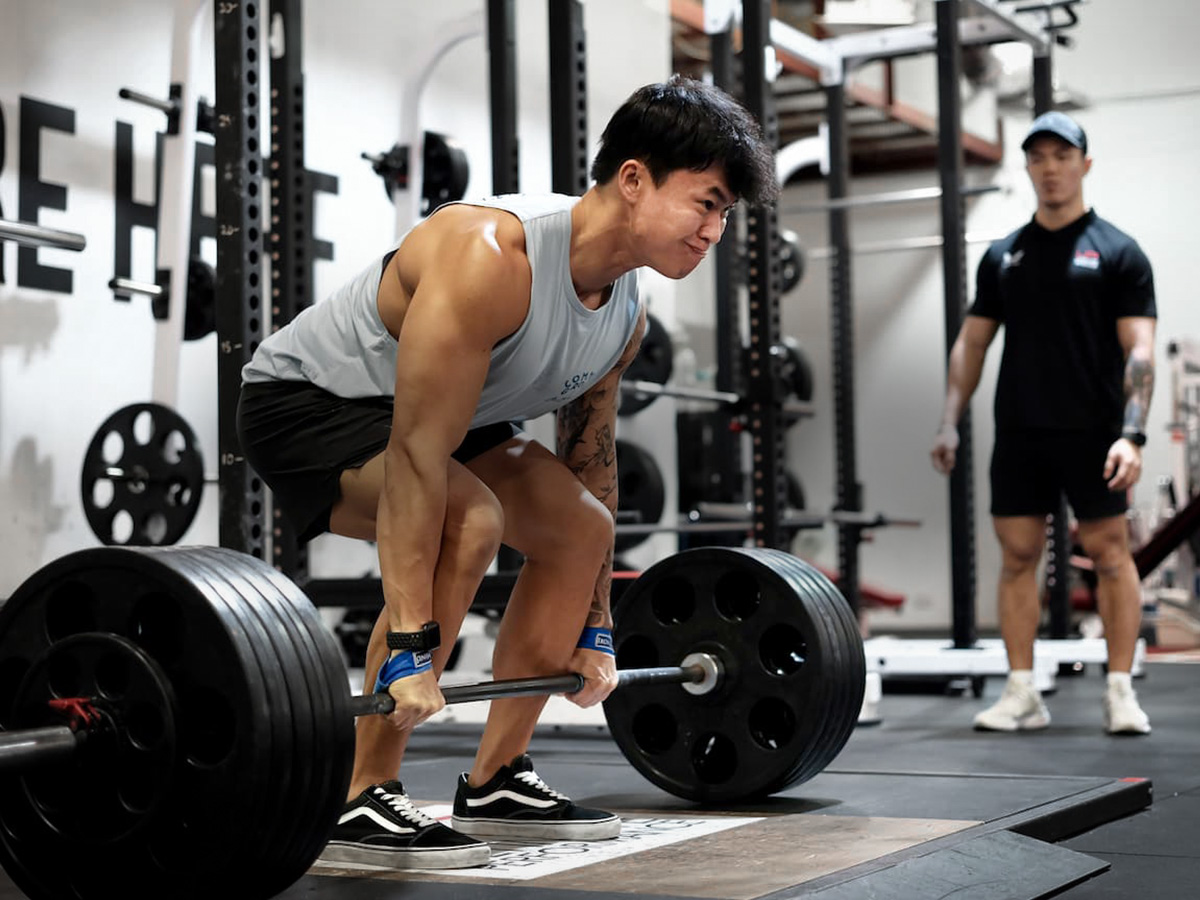
The Hidden Connection Between Exercise and Emotional Wellbeing
Modern life in Singapore is fast-paced, competitive, and often exhausting. Long working hours, urban congestion, and constant digital stimulation can take a toll on emotional health. Amidst these pressures, one solution stands out for both physical and mental resilience—regular gym training. Many professionals are realising that joining the best gym Singapore facilities can be as beneficial for the mind as it is for the body.
Exercise does far more than sculpt muscles. It helps regulate mood, reduces anxiety, and builds mental discipline. In a country where stress is one of the most common health concerns, training at the gym has evolved into an essential form of therapy for both mental and physical balance.
Understanding the Science Behind Exercise and Mood
When you engage in physical activity, your brain releases neurotransmitters such as endorphins, serotonin, and dopamine. These chemicals act as natural mood enhancers. They reduce the effects of stress hormones like cortisol, creating a sense of calm and satisfaction after a workout session.
The benefits are not temporary. Studies have shown that consistent gym training helps regulate sleep patterns, improves focus, and enhances memory. For many Singaporeans working long hours, these improvements translate into better work performance and emotional stability.
Why Singapore’s Urban Lifestyle Demands Physical Outlet
Singapore’s efficiency and ambition come at a cost—high stress levels. Constant competition in the workplace, academic pressure, and the cost of living create psychological strain. Without a proper outlet, these pressures can build up and affect relationships, productivity, and long-term mental health.
Gym training provides a structured and productive escape. Unlike passive activities such as binge-watching or scrolling through social media, working out channels energy in a positive way. It allows individuals to release pent-up tension while strengthening the body’s resilience to future stress.
The Mind-Muscle Connection: How Focus Enhances Peace of Mind
When lifting weights or performing endurance exercises, the brain must stay present. This focus creates what psychologists call a “flow state”—a mental condition where all distractions fade, and only the current moment matters. In this state, the mind experiences clarity and calm similar to meditation.
Many gym-goers describe this as their mental reset. Even 45 minutes of focused training can help them return to work with sharper concentration and a lighter emotional load. Over time, this habit improves self-control, patience, and emotional regulation.
Building Mental Resilience Through Consistency
The discipline of regular training builds more than physical endurance. It strengthens the ability to set goals, commit to routines, and push through discomfort. These traits extend beyond the gym into everyday life.
Each completed session becomes a reminder of progress, reinforcing self-belief. People who train regularly often show improved confidence and decision-making skills. In a high-pressure environment like Singapore, this mental resilience can make a noticeable difference in both personal and professional growth.
How the Gym Becomes a Safe Space for Emotional Release
Many people treat the gym as a sanctuary where they can release the day’s frustrations without judgement. Physical exertion naturally transforms emotional energy into productive effort. Whether it’s hitting a punching bag or finishing an intense HIIT session, the act of sweating out negativity creates emotional relief.
In Singapore’s tightly scheduled lifestyle, these gym moments serve as valuable “me-time.” They allow individuals to disconnect from digital noise, deadlines, and responsibilities—focusing purely on their wellbeing.
Social Connection and Support Systems
Beyond solo workouts, gyms foster communities. Group fitness classes, personal training sessions, and shared goals help members connect on a deeper level. Social interactions reduce loneliness and create accountability, both of which are vital for mental health.
Regular engagement with like-minded individuals creates a sense of belonging. For newcomers to Singapore or those managing isolated work-from-home setups, this community becomes an essential emotional support system. Friendships formed through shared sweat and effort often prove more genuine and enduring.
The Role of True Fitness Singapore in Supporting Mental Wellness
Among modern fitness centres, True Fitness Singapore has embraced the holistic approach to wellbeing. The gym provides not just workout facilities but an environment that nurtures both physical transformation and emotional stability. With a range of programmes designed for stress reduction, mindfulness, and endurance, it encourages members to see exercise as self-care rather than a chore.
From calming yoga sessions and guided strength routines to personalised coaching, the focus is on helping members achieve mental clarity alongside physical progress. The facility’s supportive environment and community-oriented approach make it ideal for those seeking balance in an increasingly demanding city.
Gym Training and Work-Life Balance
Work-life balance has become a buzzword in Singapore’s corporate culture, but few realise how central fitness is to achieving it. Regular exercise helps regulate energy throughout the day, reduces fatigue, and encourages better time management.
Employees who include gym sessions in their weekly schedule often experience:
-
Improved alertness at work
-
Reduced irritability
-
Lower absenteeism due to stress-related illnesses
-
Better relationships with colleagues
Employers are beginning to understand this connection and are increasingly offering gym subsidies or wellness partnerships. When employees feel better mentally, their creativity and productivity rise significantly.
How Exercise Reduces Anxiety and Depression
Mental health professionals frequently recommend physical activity as a supplementary therapy for anxiety and mild depression. The repetitive, rhythmic nature of exercise—such as running, cycling, or weight training—calms the nervous system and distracts the mind from intrusive thoughts.
Gym training also introduces structure into daily life. Setting workout goals provides purpose and measurable progress, which can be empowering for individuals struggling with uncertainty or low motivation. Even moderate sessions a few times a week can lead to noticeable emotional improvements.
The Relationship Between Sleep and Gym Training
Sleep quality is one of the strongest indicators of mental health. Many Singaporeans report difficulty sleeping due to irregular work hours, caffeine consumption, and constant phone use. Gym training helps regulate the body’s circadian rhythm by promoting natural fatigue and hormone balance.
People who work out consistently tend to fall asleep faster and enjoy deeper sleep cycles. This restorative sleep enhances mood, cognitive function, and emotional control. In turn, better rest creates more energy and motivation for subsequent workouts, forming a positive loop of mental and physical health.
Nutrition, Hormones, and Mental Health
While training is crucial, nutrition also plays a powerful role in mood regulation. Balanced diets rich in protein, complex carbohydrates, and healthy fats support brain chemistry and hormone stability. Gyms that combine nutritional guidance with fitness routines help members achieve a more comprehensive state of wellbeing.
Singapore’s growing awareness of healthy eating habits complements the gym culture. Fitness enthusiasts are now embracing the connection between proper nutrition, workout recovery, and emotional stability.
Mindfulness and Recovery Practices
The mental benefits of exercise extend into recovery. Stretching, meditation, and breathing sessions after workouts help reinforce calm and focus. Many gyms now include mindfulness-based recovery classes that teach members how to relax both body and mind after intense physical activity.
Mindfulness also reduces the tendency to compare progress with others—a common cause of gym-related stress. It encourages self-acceptance and sustainable improvement rather than chasing unrealistic goals.
The Role of Technology in Supporting Mental Health
Fitness technology in smart gyms has become a valuable mental health companion. Apps and trackers help users monitor progress, recognise achievements, and maintain motivation. They also encourage consistency, which is key for long-term benefits.
Digital coaching platforms often integrate reminders for hydration, rest, and mindfulness. By creating awareness of these small habits, technology strengthens overall emotional resilience.
Why Gym Training Beats Temporary Stress Relief Methods
Many people turn to short-term coping mechanisms such as late-night snacking, excessive caffeine, or social media scrolling to manage stress. While these activities offer brief comfort, they do not address the root causes of tension. Gym training, on the other hand, engages both mind and body to release stress hormones and replace them with positive energy.
The sense of achievement after completing a workout is far more rewarding than passive distractions. Over time, this builds confidence and reduces dependency on unhealthy coping behaviours.
Long-Term Mental Benefits of Consistent Training
Consistent exercise trains the brain to handle adversity more effectively. It lowers the physiological response to stress, meaning people become calmer even in challenging situations. This “mental conditioning” effect is one reason many high-performing professionals and entrepreneurs prioritise fitness.
With time, regular gym training rewires mental patterns to favour positivity, focus, and resilience. It fosters the ability to handle setbacks gracefully—one of the most valuable traits in a high-pressure city like Singapore.
Frequently Asked Questions (FAQ)
Q1: How often should I train at the gym to feel mental health benefits?
You can start noticing improvements in mood and energy with just three sessions a week. For long-term emotional stability, aim for consistent training over several months.
Q2: What types of gym workouts are best for reducing stress?
A mix of strength training, cardio, and yoga works well. Strength sessions build confidence, while cardio releases endorphins, and yoga promotes relaxation.
Q3: Is it normal to feel emotionally tired after working out?
Yes. Physical exertion releases both stress and tension, which can leave you feeling emotionally drained at first. This is a positive sign of release and recovery.
Q4: Can gym training replace therapy for mental health issues?
Gym training supports mental wellbeing but is not a substitute for professional counselling. It works best as a complementary practice alongside therapy when needed.
Q5: How does gym training improve productivity at work?
Regular exercise increases focus, energy, and mental clarity. It also reduces burnout, helping professionals stay efficient and motivated throughout the day.
Q6: What role does nutrition play in mental health improvement?
Proper nutrition stabilises mood-regulating hormones and supports recovery after workouts. A balanced diet enhances both physical and emotional health outcomes.
Q7: Why do people feel happier after training at gyms like True Fitness Singapore?
Because the environment promotes positivity, structure, and social connection. Combined with professional support and modern facilities, members experience both mental relief and physical achievement.