


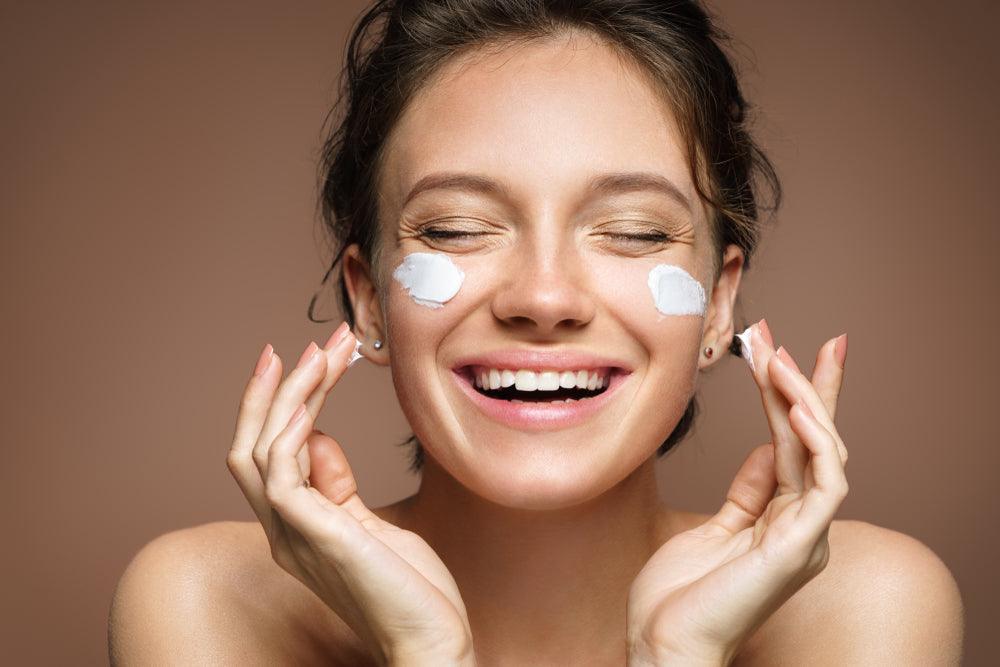
Skin care is one of the most important aspects of overall health and wellness, as the skin is the largest organ in the human body and serves as a barrier against environmental hazards. Maintaining healthy skin involves a combination of proper hygiene, nutrition, targeted treatments, and lifestyle management. Effective skin care is not limited to beauty—it encompasses protection, repair, and prevention of dermatological conditions. Understanding the science behind skin structure, common issues, and modern innovations in dermatology allows individuals to make informed decisions for long-term skin health.
The Science of Skin
Skin is composed of three primary layers: the epidermis, dermis, and subcutaneous tissue. Each layer has specific functions crucial to maintaining health.
Epidermis
The epidermis is the outermost layer that provides a barrier against pathogens, UV radiation, and chemical exposure. It contains keratinocytes, melanocytes, and Langerhans cells, which collectively contribute to skin resilience, pigmentation, and immune defense. The epidermis is also responsible for maintaining hydration and regulating the skin’s pH balance.
Dermis
Beneath the epidermis lies the dermis, containing collagen and elastin fibers that provide structural support and elasticity. It houses sweat glands, sebaceous glands, blood vessels, and nerve endings, which are essential for thermoregulation, lubrication, and sensory perception. A healthy dermis ensures firmness, smoothness, and the ability to heal effectively after injury.
Subcutaneous Tissue
The subcutaneous layer is composed mainly of fat and connective tissue, acting as a cushion for internal organs and providing insulation. It plays a critical role in energy storage, shock absorption, and supporting the skin’s overall integrity.
Common Skin Concerns
Various factors, including genetics, environment, lifestyle, and aging, contribute to skin concerns. Addressing these issues requires evidence-based strategies and targeted interventions.
Acne
Acne results from blocked pores, excess sebum production, and bacterial proliferation. Common triggers include hormonal fluctuations, diet, stress, and improper skin hygiene. Treatments may involve topical retinoids, benzoyl peroxide, salicylic acid, and, in severe cases, oral antibiotics or hormonal therapy.
Hyperpigmentation
Hyperpigmentation is characterized by darkened areas on the skin due to excessive melanin production. Causes include sun exposure, inflammation, and hormonal changes. Effective management involves sunscreen application, topical antioxidants, chemical exfoliants, and dermatological procedures like laser therapy.
Dry Skin
Dry skin occurs when the skin loses moisture and its natural barrier is compromised. Environmental factors, harsh cleansers, and aging contribute to this condition. Moisturizers containing ceramides, hyaluronic acid, and occlusive agents help restore hydration and improve skin barrier function.
Sensitive Skin
Sensitive skin is prone to irritation, redness, and inflammation. It can be triggered by allergens, environmental stressors, and aggressive cosmetic products. A gentle, minimalistic routine using hypoallergenic and fragrance-free products is often recommended.
Aging Skin
Signs of aging include wrinkles, fine lines, sagging, and loss of elasticity. Intrinsic aging results from natural biological processes, while extrinsic aging is influenced by sun exposure, pollution, and lifestyle habits. Anti-aging strategies focus on UV protection, collagen-stimulating treatments, and antioxidant-rich skincare.
Essential Components of a Skin Care Routine
A scientifically informed skin care routine combines cleansing, exfoliation, hydration, protection, and targeted treatments.
Cleansing
Cleansing removes dirt, excess oils, and environmental pollutants. Mild, pH-balanced cleansers prevent barrier disruption and maintain skin microbiome health. Over-cleansing can lead to irritation and exacerbate conditions like acne and dryness.
Exfoliation
Exfoliation eliminates dead skin cells and promotes cell turnover. Both physical exfoliants (scrubs) and chemical exfoliants (AHAs, BHAs, and enzymes) are effective when used appropriately. Excessive exfoliation can compromise barrier function, causing redness and sensitivity.
Hydration
Hydration is essential for maintaining elasticity, smoothness, and barrier integrity. Humectants such as hyaluronic acid draw moisture into the skin, while emollients and occlusives lock it in. Daily moisturization is crucial for all skin types, including oily skin.
Sun Protection
UV radiation is a leading cause of premature aging, hyperpigmentation, and skin cancers. Broad-spectrum sunscreen with SPF 30 or higher, applied daily, is the most effective preventive measure. Reapplication every two hours, especially during sun exposure, is essential for optimal protection.
Targeted Treatments
Active ingredients such as retinoids, vitamin C, niacinamide, peptides, and ceramides address specific concerns. Retinoids stimulate collagen production and improve texture, vitamin C brightens the complexion, and niacinamide reduces inflammation and strengthens the barrier. Targeted treatments should be introduced gradually to prevent irritation.
Nutrition and Lifestyle Impact on Skin Health
Skin health is not solely determined by topical care. Diet, hydration, and lifestyle habits play a substantial role.
- Balanced Diet: Nutrients like vitamins A, C, D, E, zinc, and omega-3 fatty acids support collagen production, repair, and antioxidative defense.
- Hydration: Adequate water intake maintains skin turgor, elasticity, and barrier function.
- Sleep: Quality sleep facilitates cellular repair and reduces inflammatory markers that contribute to aging and acne.
- Stress Management: Chronic stress increases cortisol levels, triggering breakouts, redness, and barrier impairment. Mindfulness practices and exercise can mitigate these effects.
- Avoiding Harmful Habits: Smoking, excessive alcohol consumption, and exposure to pollutants accelerate aging, discoloration, and overall skin deterioration.
Advanced Dermatological Interventions
Modern dermatology offers various treatments to complement daily skincare routines, especially for persistent or severe conditions.
Chemical Peels
Chemical peels use acids to exfoliate the epidermis, improving texture, pigmentation, and fine lines. Superficial, medium, and deep peels vary in intensity and recovery time.
Laser Therapy
Laser treatments target pigmentation, vascular issues, scarring, and hair removal. Fractional lasers promote collagen remodeling and are increasingly used for anti-aging treatments.
Microneedling
Microneedling stimulates collagen and elastin production by creating controlled micro-injuries in the skin. This procedure improves texture, scars, and fine lines while enhancing product absorption.
Injectable Treatments
Botulinum toxin and dermal fillers address dynamic wrinkles and volume loss. These minimally invasive interventions offer temporary but effective rejuvenation with controlled dosing and precision.
Platelet-Rich Plasma (PRP) Therapy
PRP therapy involves using the patient’s own blood to promote healing, collagen synthesis, and skin rejuvenation. It is often combined with microneedling or laser treatments for enhanced outcomes.
Emerging Trends in Skin Care
The skin care industry continuously evolves with innovations in biotechnology, AI, and personalized medicine.
- Personalized Skin Care: Genetic and microbiome analyses allow treatments tailored to individual skin profiles.
- Biotech-Infused Formulations: Peptides, growth factors, and stem cell-derived compounds offer advanced regenerative properties.
- Sustainable and Ethical Products: Consumers increasingly prioritize eco-friendly, cruelty-free, and responsibly sourced skincare products.
- Digital Skin Diagnostics: AI-powered apps and devices assess skin type, hydration, and UV damage, guiding product selection and regimen customization.
Integrating Evidence-Based Practices
Effective skin care combines scientific evidence, clinical dermatology, and real-world application. Consistency, patient education, and adherence to dermatological recommendations ensure the best outcomes.
- Patch Testing: Reduces risk of allergic reactions when introducing new products.
- Gradual Introduction of Actives: Prevents irritation and supports barrier adaptation.
- Monitoring Progress: Regular evaluation of skin condition ensures that treatments are effective and adjustments are made when necessary.
Conclusion
Skin care is a multidimensional practice that extends beyond aesthetics. It is a complex interplay between biological processes, environmental factors, lifestyle choices, and targeted interventions. By understanding skin structure, common concerns, and evidence-based treatments, individuals can optimize their skin health, appearance, and longevity. Innovations in dermatology, personalized medicine, and biotechnology continue to refine the field, offering advanced solutions to complex challenges. A well-rounded approach that combines cleansing, hydration, protection, nutrition, and professional care lays the foundation for radiant, resilient skin at any age.
Frequently Asked Questions
1. How often should I exfoliate my skin?
Exfoliation frequency depends on skin type and product strength. Generally, 1–3 times per week is sufficient, with chemical exfoliants often being gentler than physical scrubs.
2. Can diet really affect skin health?
Yes. Nutrients like antioxidants, essential fatty acids, and vitamins directly support skin repair, hydration, and barrier function. Diets high in sugar or processed foods may exacerbate acne and inflammation.
3. What is the most important step in a daily skincare routine?
Sun protection is the most critical daily step. Consistent use of broad-spectrum sunscreen prevents UV-induced damage, aging, and hyperpigmentation.
4. How do I choose the right moisturizer?
Select a moisturizer based on skin type and concerns. Oily skin may benefit from lightweight, non-comedogenic formulations, while dry skin requires rich, emollient creams with ceramides or hyaluronic acid.