


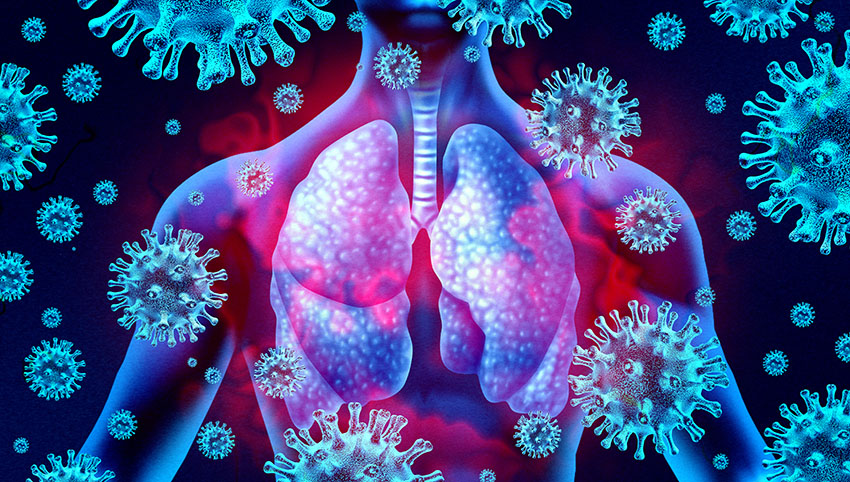
Disease is a term that encompasses a wide range of health conditions that disrupt the normal functioning of the body. From mild infections to chronic illnesses, understanding disease is fundamental to maintaining health, preventing complications, and improving quality of life. The study of disease involves exploring its causes, mechanisms, risk factors, and effective management approaches. This article provides a detailed and comprehensive overview of diseases, emphasizing scientific evidence and real-world implications.
What is Disease?
In medical terminology, a disease is defined as any condition that impairs normal body function, typically resulting in specific signs and symptoms. Unlike simple injuries, which are usually the result of external trauma, diseases often stem from internal dysfunctions, infections, or genetic anomalies. Diseases can affect any part of the body, including organs, tissues, and cellular systems.
Key characteristics of disease include:
- Disruption of normal physiology: Diseases alter how the body performs essential processes.
- Presence of identifiable symptoms: These may include pain, fatigue, fever, or organ-specific manifestations.
- Pathophysiological mechanisms: Underlying causes such as infections, genetic mutations, or autoimmune reactions.
Causes of Disease
Diseases arise from a variety of causes that can be broadly categorized into infectious, genetic, environmental, and lifestyle-related factors.
1. Infectious Causes
Infectious diseases are caused by pathogens such as bacteria, viruses, fungi, and parasites. These pathogens invade the body, multiply, and disrupt normal physiological processes. Examples include influenza, tuberculosis, malaria, and COVID-19.
Mechanisms of infection:
- Direct invasion: Pathogens enter the body through cuts, respiratory inhalation, or ingestion.
- Toxin production: Some bacteria release toxins that damage tissues and organs.
- Immune response: The body’s reaction to infection often contributes to symptoms such as fever and inflammation.
2. Genetic Causes
Genetic diseases result from mutations or abnormalities in the DNA that can be inherited or occur spontaneously. Examples include cystic fibrosis, sickle cell anemia, and Huntington’s disease.
Genetic disease mechanisms:
- Single-gene mutations: Caused by defects in a single gene, often following Mendelian inheritance patterns.
- Chromosomal abnormalities: Extra or missing chromosomes can lead to conditions like Down syndrome.
- Polygenic influence: Multiple genes interact with environmental factors, contributing to complex diseases like diabetes and heart disease.
3. Environmental Causes
Environmental factors significantly influence disease development. Exposure to pollutants, chemicals, radiation, and toxins can damage organs and increase susceptibility to illness.
Examples of environmentally linked diseases:
- Lung diseases: Chronic exposure to air pollution can lead to asthma or chronic obstructive pulmonary disease.
- Cancer: Carcinogenic substances such as asbestos, tobacco smoke, and certain chemicals increase cancer risk.
- Neurological disorders: Heavy metals and neurotoxins can contribute to neurodegenerative conditions.
4. Lifestyle-Related Causes
Modern lifestyle choices, including diet, physical activity, and stress levels, are major contributors to diseases such as obesity, type 2 diabetes, cardiovascular disease, and certain cancers.
Lifestyle risk factors:
- Sedentary behavior: Lack of physical activity reduces metabolic efficiency and cardiovascular health.
- Unhealthy diet: High sugar, processed foods, and excessive fats contribute to obesity and metabolic disorders.
- Substance use: Smoking, alcohol, and recreational drugs can damage multiple organ systems.
Types of Disease
Diseases can be classified based on their origin, progression, and impact on the body.
1. Acute vs. Chronic Diseases
- Acute diseases: These are sudden in onset and short in duration. Examples include influenza, appendicitis, and food poisoning.
- Chronic diseases: Long-term conditions that persist over months or years. Common chronic diseases include diabetes, arthritis, and cardiovascular diseases.
2. Infectious vs. Non-Infectious Diseases
- Infectious diseases: Caused by pathogens, contagious in nature, and often preventable with vaccines.
- Non-infectious diseases: Not caused by pathogens, including genetic, metabolic, and lifestyle-related diseases.
3. Hereditary Diseases
Inherited disorders passed through genes from parents to offspring. Early diagnosis through genetic screening can help in management and preventive care.
4. Degenerative Diseases
These are progressive conditions where tissues or organs gradually lose function. Examples include Alzheimer’s disease, Parkinson’s disease, and osteoarthritis.
5. Autoimmune Diseases
In autoimmune disorders, the immune system mistakenly attacks healthy tissues. Conditions such as lupus, rheumatoid arthritis, and type 1 diabetes fall under this category.
Disease Mechanisms
Understanding how diseases develop at the cellular and molecular level is essential for effective management and treatment.
1. Pathophysiology
Diseases result from disruptions in normal physiological processes. For instance, in diabetes, insulin production or action is impaired, causing elevated blood sugar levels and damage to organs over time.
2. Inflammatory Response
Inflammation is the body’s natural defense mechanism but can contribute to disease when uncontrolled. Chronic inflammation is linked to cardiovascular diseases, autoimmune disorders, and certain cancers.
3. Cellular Damage
Diseases often involve cellular injury caused by pathogens, toxins, or oxidative stress. Damage at the cellular level can lead to organ dysfunction and systemic complications.
Disease Diagnosis
Early and accurate diagnosis is critical to preventing progression and complications. Modern diagnostic methods include:
- Clinical evaluation: Physical examination and patient history remain foundational.
- Laboratory tests: Blood, urine, and tissue analyses help detect infections, metabolic disorders, and organ dysfunction.
- Imaging techniques: MRI, CT scans, and X-rays provide insights into structural changes.
- Genetic testing: Detects inherited conditions and predispositions to certain diseases.
Disease Prevention and Management
Effective management strategies focus on prevention, early detection, treatment, and lifestyle modification.
1. Vaccination
Vaccines stimulate immunity against infectious diseases such as measles, influenza, and hepatitis. Global vaccination programs have significantly reduced the prevalence of preventable diseases.
2. Healthy Lifestyle
Adopting a balanced diet, regular exercise, adequate sleep, and stress management reduces the risk of chronic diseases.
3. Medical Interventions
- Medications: Antibiotics, antivirals, and disease-specific drugs manage symptoms and eradicate infections.
- Surgical procedures: Necessary for structural abnormalities, organ failure, or tumor removal.
- Therapeutic interventions: Physical therapy, rehabilitation, and counseling support disease recovery and management.
4. Early Screening and Regular Checkups
Routine health screenings for blood pressure, cholesterol, diabetes, and cancer markers enable early detection and improve treatment outcomes.
5. Public Health Measures
Sanitation, clean water access, vector control, and public awareness campaigns play a crucial role in preventing infectious and environmental diseases.
Impact of Disease on Society
Diseases affect not only individuals but also communities and economies.
- Healthcare burden: Chronic diseases increase demand for medical services and long-term care.
- Economic impact: Loss of productivity due to illness costs billions annually worldwide.
- Social implications: Stigmatization of certain diseases, mental health effects, and reduced quality of life are common societal consequences.
Emerging Trends in Disease Research
Modern medicine continuously evolves to address emerging diseases and improve treatment outcomes.
- Precision medicine: Personalized treatments based on genetic and molecular profiling.
- Telemedicine: Expanding access to healthcare through virtual consultations.
- Artificial intelligence: Advanced diagnostics, predictive modeling, and drug discovery.
- Global surveillance: Monitoring disease outbreaks to prevent pandemics and health crises.
Conclusion
Diseases are complex phenomena influenced by genetic, environmental, infectious, and lifestyle factors. Understanding the mechanisms, prevention strategies, and management approaches is essential for both individuals and society. While some diseases are inevitable, adopting proactive health measures, early screening, and modern medical interventions can drastically improve outcomes and quality of life. Continuous research and innovation remain key to combating both existing and emerging health challenges.
Frequently Asked Questions
1. How do lifestyle choices influence disease risk?
Lifestyle choices, including diet, exercise, and substance use, directly affect metabolic, cardiovascular, and mental health. Healthy habits reduce the risk of chronic diseases such as diabetes, hypertension, and obesity.
2. Can diseases be prevented entirely?
While not all diseases can be prevented, vaccination, hygiene, healthy living, and genetic counseling can significantly reduce risk and impact.
3. How are genetic diseases diagnosed?
Genetic diseases are diagnosed through family history, physical examination, and genetic testing, including DNA sequencing and chromosomal analysis.
4. What role does inflammation play in disease?
Inflammation is a protective response, but chronic inflammation contributes to cardiovascular disease, autoimmune disorders, and cancer. Controlling inflammation is crucial for disease management.
5. How can modern technology aid in disease management?
Advances in AI, telemedicine, and precision medicine allow for personalized treatment plans, early diagnosis, and improved patient monitoring, enhancing treatment outcomes.
6. Are infectious diseases still a major threat today?
Yes, emerging pathogens, antibiotic resistance, and global travel contribute to the ongoing threat of infectious diseases. Public health measures remain critical for containment and prevention.
7. Why is early detection important in chronic diseases?
Early detection allows for timely intervention, preventing progression, reducing complications, and improving long-term survival